
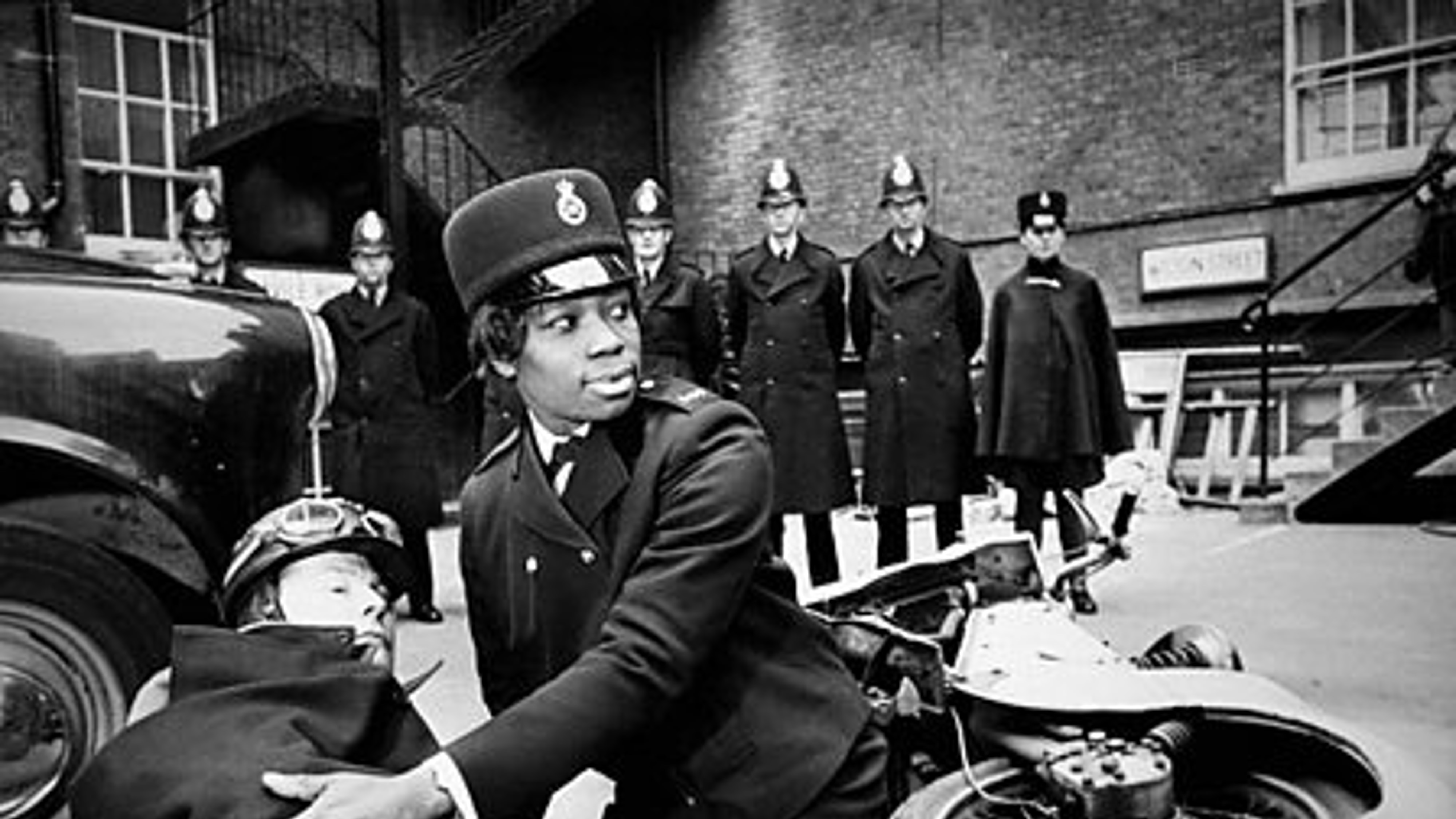
This module will provide you with some of the key concepts of policing. You will learn about the various roles and responsibilities within the UK police service and the importance of other law enforcement organisations that support the police, including the College of Policing. Key concepts such as policing by consent, legitimacy, and public confidence will be explored. You will also explore the overall strategic context of policing and the relevant national policing strategies. The basics in relation to power of arrest and the necessity to arrest will also be covered.
Alongside the above, you will begin to learn academic writing skills required for your policing degree.
- Tutor: Karen Cooper
- Tutor: Stratis Efthymiou
- Tutor: Richard Farina
- Tutor: Anne-Marie McDermott
- Tutor: Dean Mowbray
- Tutor: Shaun Ostle
- Tutor: Simon Satchwell Giles
- Tutor: Andrew Whelan
Community policing is an important aspect of policing. Understanding the core principles of ethics, equality, diversity and human rights is at the forefront of everything the police do, and this will be of significant importance in this module to you as future police officers.
You will explore other key concepts, with particular focus on community engagement, developing community relations and the rationale for this, partnership working, and policing diverse communities.
In addition to this, the legislation in relation to anti-social behaviour will be taught and how this affects communities with some important case studies to emphasise the impact of ASB on communities.
- Tutor: Karen Cooper
- Tutor: Stratis Efthymiou
- Tutor: Richard Farina
- Tutor: Anne-Marie McDermott
- Tutor: Dean Mowbray
- Tutor: Shaun Ostle
- Tutor: Rodney Rose
- Tutor: Simon Satchwell Giles
- Tutor: Andrew Whelan

Building on the study being undertaken on the history of policing and policing communities, you will gain an insight into the basic concepts of criminology and explore contemporary methods of crime prevention. You will assess the strengths and weaknesses of varying policing models, reviewing some specific crime prevention initiatives. You will then go on to explore the concept of problem-oriented policing. Specific problem-solving methodology used by the police will be explored, and you will carry out research to identify and understand an emerging issue to a problem, before applying the model in the form of an intervention into the problem.
- Tutor: Karen Cooper
- Tutor: Stratis Efthymiou
- Tutor: Richard Farina
- Tutor: Anne-Marie McDermott
- Tutor: Dean Mowbray
- Tutor: Shaun Ostle
- Tutor: Simon Satchwell Giles
- Tutor: Andrew Whelan

The relationship of the police with victims and witnesses is vital to any successful criminal justice outcomes. Building on the concept of ethical treatment of individuals and the key legislation, policies and guidance that relate to victims and witnesses, you will study the complexities of this area of policing and how to apply good practice to individuals through your own behavior's and attitudes. In addition, the requirement to protect vulnerable witnesses and victims will also be studied. Key to this module are communication skills, and thus, these will be explored firstly followed by a range of associated theories and practices and their application in policing.
- Tutor: Karen Cooper
- Tutor: Stratis Efthymiou
- Tutor: Richard Farina
- Tutor: Anne-Marie McDermott
- Tutor: Dean Mowbray
- Tutor: Shaun Ostle
- Tutor: Simon Satchwell Giles
- Tutor: Andrew Whelan

This module looks into the wider functions of the criminal justice system (CJS). It will introduce the Crown Prosecution Service (CPS) and the Courts and sentencing. Associated key legislation and procedures such as disclosure of relevant material will be taught. Considerations in relation to offenders, victims and witnesses, including the Victim’s Code will partnership collaboration with respect to offender rehabilitation, will also be explored.
- Tutor: Karen Cooper
- Tutor: Stratis Efthymiou
- Tutor: Richard Farina
- Tutor: Julie McCarthy
- Tutor: Anne-Marie McDermott
- Tutor: Dean Mowbray
- Tutor: Shaun Ostle
- Tutor: Simon Satchwell Giles
- Tutor: Andrew Whelan

Investigation is key to any policing role and during this module, you will examine the fundamental principles and processes for conducting an ethical and non-biased police investigation in relation to varying crime types. You will explore various methods of recovering evidence from different sources. Complex investigations will also be examined, together with the role of specialists such as scenes of crime, digital investigators and Senior Investigating Officer (SIO). During the module you will have the opportunity to undertake some of the basic investigative processes.
- Tutor: Karen Cooper
- Tutor: Stratis Efthymiou
- Tutor: Richard Farina
- Tutor: Anne-Marie McDermott
- Tutor: Dean Mowbray
- Tutor: Shaun Ostle
- Tutor: Simon Satchwell Giles
- Tutor: Andrew Whelan